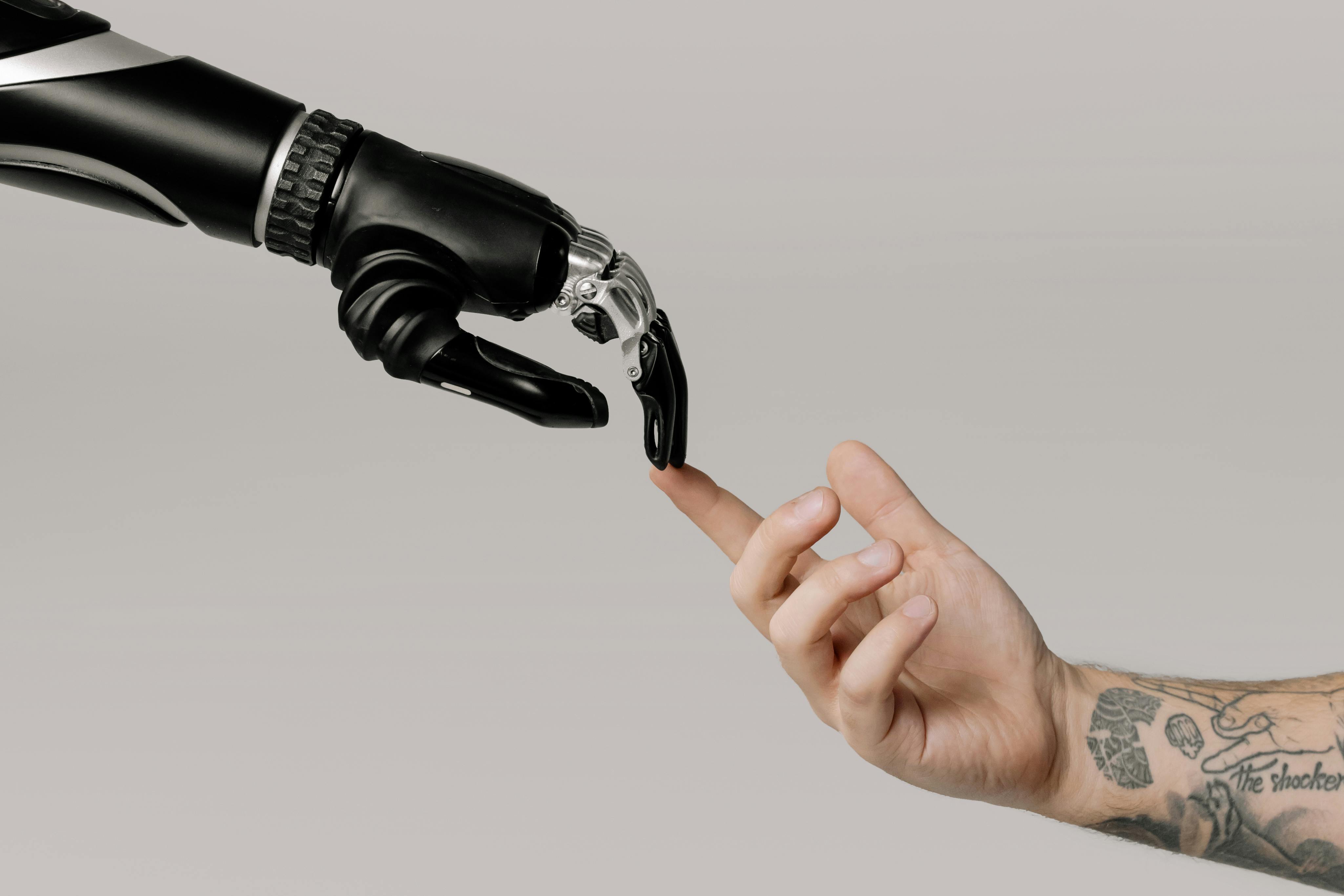
Over the past few years, artificial intelligence or AI for short, has gained significant attention in the healthcare industry, sparking lots of conversations around its potential impact on several aspects of healthcare including our jobs. In recent conversations with colleagues, many of them worry that AI will replace their roles, but in reality, AI is designed to complement human expertise, not replace it. In today’s episode, we will discuss AI, the various types and role in healthcare, and more importantly, the opportunities for healthcare professionals to use AI to improve efficiency and enhance patient care.
What is AI?
Artificial Intelligence simply put, is the ability of machines to perform tasks that typically require human intelligence, such as problem-solving, learning, and decision-making. AI systems can analyze vast amounts of data at high speeds, recognize patterns, and offer useful insights. There are three major types of AI, and they are:
Artificial Narrow Intelligence (ANI): Focused on specific tasks, such as diagnosing diseases or analyzing medical images. Examples include Siri, Alexa, and ChatGPT.
Artificial General Intelligence (AGI): Hypothetical machines with human-like cognitive abilities across various tasks, not yet achieved.
Artificial Superintelligence (ASI): Theoretical machines surpassing human intelligence, still in the realm of speculation.
Currently, healthcare mainly utilizes ANI, which excels in specific areas like image recognition which is important in radiology and dermatology, predictive analytics, and natural language processing.
The Importance of AI in Healthcare
Concerns like growing healthcare expenses, a lack of workers, and the growing complexity of healthcare service can all be addressed by AI. AI lessens inefficiencies and improves patient outcomes by automating repetitive tasks, improving diagnostic accuracy, and analyzing data. By providing richer insights and facilitating better decision-making, artificial intelligence (AI) enhances healthcare workers' performance rather than takes their place.
AI Use Cases in Healthcare
AI is already making an impact in various areas of healthcare:
Medical Imaging: Artificial intelligence (AI)-driven technologies analyze MRIs, CT scans, and X-rays with amazing accuracy, spotting patterns that the human eye might miss. For instance, AI systems are more accurate than conventional techniques at detecting cancer in its early stages.
Predictive Analytics: AI is capable of analyzing patient data to forecast potential health problems, allowing for earlier intervention. As early detection can greatly improve outcomes, this is especially helpful in managing chronic conditions like diabetes or heart disease.
Drug Discovery: AI accelerates the drug discovery process by simulating biological processes, leading to faster identification of potential treatments.
Administrative Tasks: By automating processes like scheduling, billing, and record-keeping, artificial intelligence (AI) helps physicians focus more on patient care by easing the workload associated with paperwork and administrative responsibilities.
Pros and Cons of AI in Healthcare
Pros:
Improved Efficiency: AI can process data faster than humans, leading to quicker diagnoses and treatment plans.
Enhanced Diagnostic Accuracy: By analyzing patterns and data points beyond human capacity, AI can improve the precision of diagnoses.
Reduced Human Error: AI systems can reduce the risk of human error in areas like dosage calculations or identifying medical conditions.
Cons:
Data Privacy Concerns: AI relies on large datasets, which raises questions about patient confidentiality and data security.
Reliance on Technology: Over-reliance on AI carries a risk that, if unchecked, might erode human competence.
Ethical Challenges: Ensuring transparency and equity in medical care might be challenging because to the opaque nature of AI choices.
Why AI Won’t Replace Healthcare Professionals
AI can't replace a healthcare professional's empathy, moral judgement, and critical thinking when it comes to patient care, even with its potential. Though there is artificial empathy, which is being trialed in companion robots, it will not be equal to human empathy. Artificial intelligence (AI) is a powerful tool for processing data and making recommendations, but human clinicians will always be required to understand AI results and use them in a moral and compassionate way. Moreover, AI is unlikely to play the roles of emotional support, trust, and patient engagement that are frequently required in healthcare.
The Need for Healthcare Professionals to Upskill
Healthcare personnel should embrace AI as a chance to improve their skills rather than fear it. Working with AI requires knowledge of its potential, constraints, and ethical issues. Professionals who grasp these topics will be able to make good use of AI tools. In addition to helping them future proof their professions, upskilling in subjects like data analysis, machine learning, and AI ethics will also benefit patients' results.
In summary, artificial intelligence (AI) is a potent instrument that will transform healthcare by enhancing the knowledge of medical experts. Its purpose is to enhance the delivery of care, not replace jobs. Healthcare professionals who want to stay ahead in the constantly changing field of healthcare should embrace this technology, become knowledgeable about its nuances, and integrate it into their work.
2024 Health Tech Events Update

Last month, I was able to make some time to attend two great events in the UK Health Tech space - HETT and Google Black in Health Tech. Though it was a very long day for me, it was worth every sweat.
HETT is considered one of the biggest healthcare technology conferences in the UK, and usually brings technology companies to showcase latest innovations in healthcare. I particularly enjoyed the different panels which featured senior NHS leaders in Digital Health, Cybersecurity and others. I met some friends there and the fulfilling part of my day was meeting someone who was inspired to start his journey in Digital Health from watching my YouTube channel.
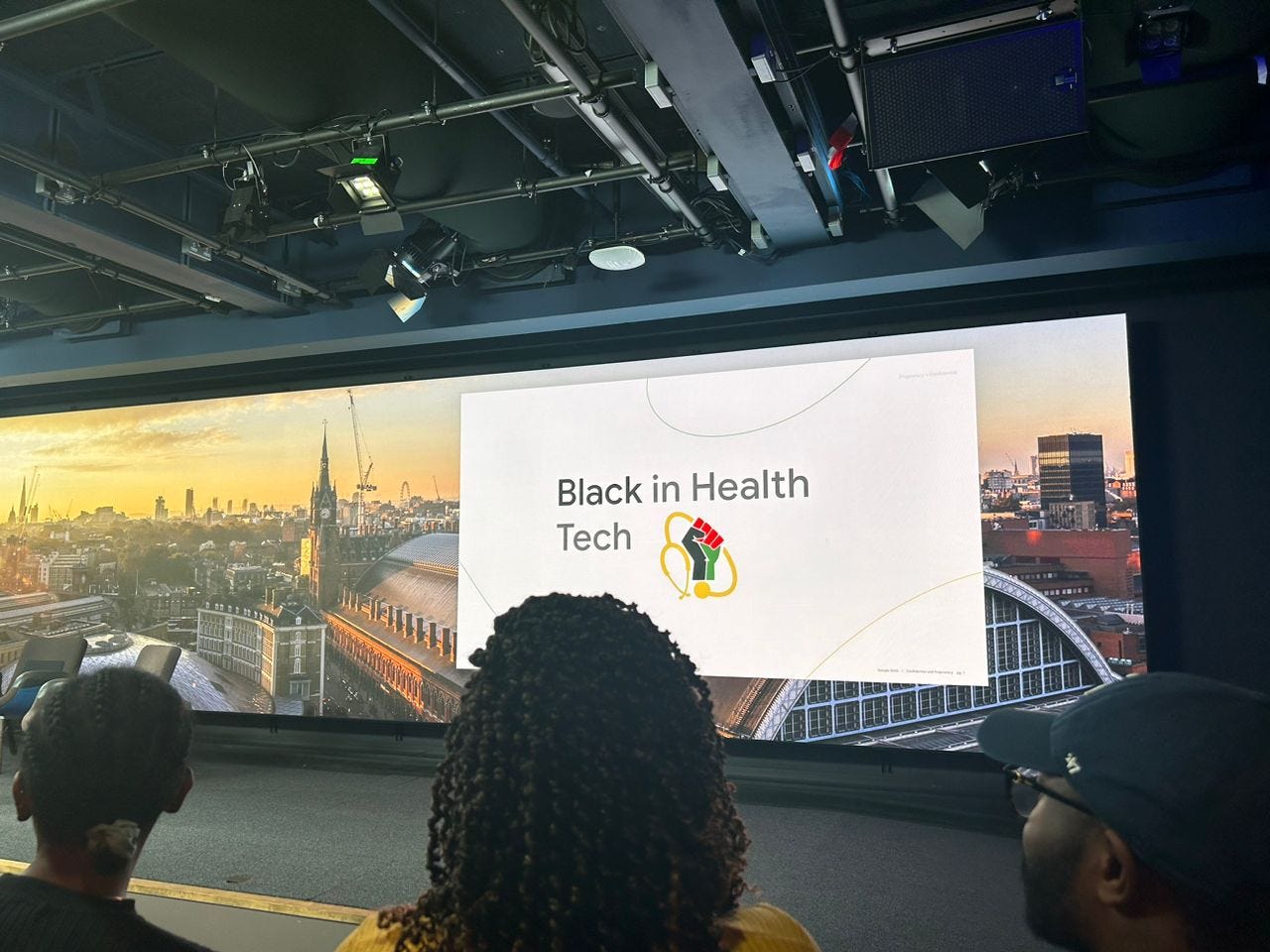
The Google Black in Health Tech exceeded my expectations. The panel session moderated by the host, Dr Dillon Obika had Ivan Beckley and Stephanie R as guests, and they shared a lot of insight into the beautiful world of Health Tech. Some of my takeaways from the event are:
There is need for more black representation in HealthTech.
You can get into Health Tech anytime, anywhere irrespective of background and experience (I pivoted from medicine into Health Tech).
There are loads of opportunities in the space as long as you are willing to put in the grind.
One more thing, Google has a really beautiful office.
Job Openings in the UK.
There are several job openings across the UK that offer visa sponsorship. Look for them here.
Let these two videos guide you in your application:
NB. Ensure that you read the job description and person specification thoroughly before applying for these UK jobs.
Some International Health Days
October 1st – World Vegetarian Day
October 6th – World Smile Day
October 2nd – Child Health Day
October 6 – World Cerebral Palsy Day
October 14th - World Skin Day
October 20th – World Osteoporosis Day
Till I write again, have a splendid October!
Kind Regards,
Dr. Ron
Behind The Scenes in Health with Dr. Ron is managed by MRI Medic Consulting, a healthcare consulting and creative digital agency. If you would love to sponsor an episode of the newsletter and get your message to our readers, please get in touch at ronald@mrimedic.com or admin@mrimedic.com
Do you want to book a one-on-one session with Dr. Ron to discuss your career transition and alternative pathway options, click here.
Our goal is to help healthcare brands become better with their social media presence, and we do this through training webinar sessions with clients, health content creation, and social media management. Would you like us to hold a training webinar for your staff? Please send an email to info@mrimedic.com or ronald@mrimedic.com
Do you happen to know a friend who is all about healthcare, health tech, alternative careers, and social media as a healthcare professional? Share this newsletter by clicking the refer button below.
Join over 6000+ subscribers at Behind The Scenes in Health with Dr.Ron’s substack where we share insightful information around healthcare.
Help us grow on YouTube channel by subscribing, commenting and sharing as we post new videos every Friday by 7pm (WAT). Give us a follow on TikTok
If there are topics you would love to read about or guests you would like to see and hear on the podcast, please email me at ronald@mrimedic.com or podcast@mrimedic.com
Here is our linktree. Feel free to explore our pages.