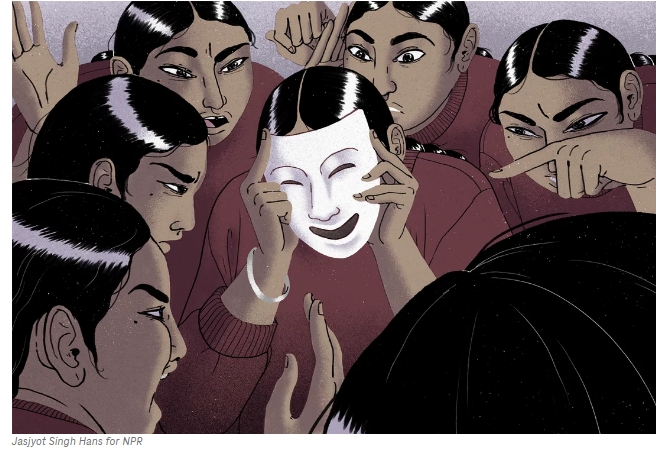
In my early days of my pivot from health into health tech, I struggled with feeling inadequate for the job I was doing despite getting the job based on the strength of my qualifications and skills. I thought I was alone until I started speaking to other friends and colleagues that I realized that impostor syndrome was actually more prevalent than I thought but was not openly discussed.
For persons contemplating a career change, this is something that you need to be aware of as it can be paralyzing and can hamper your transition and growth. By understanding the causes, impacts, and strategies to address impostor syndrome, healthcare professionals can take steps to make the leap confidently and thrive in their careers.
Causes of Impostor Syndrome
High Expectations and Standards
Healthcare workers frequently have very high expectations of themselves, particularly those who have training in highly specialized or regulated sectors. Entering another industry, which is frequently seen as complicated and always changing, puts pressure on oneself to perform at a high level right away. Because of this, even minor errors may seem like significant setbacks.Identity Shift
When one moves into a new industry, they must leave behind a clinical identity with clearly defined tasks and responsibilities in favour of a more abstract world where skills and contributions might not be immediately linked to patient results. This change may cause emotions of inadequacy or self-doubt by upsetting one's sense of professional identity.Lack of Familiarity with Industry Terminology and Practices
Using health tech as an example, it can be daunting for healthcare workers to master new health IT concepts, such as project management and coding, and it can make them feel even more out of place when they compare themselves to people with tech backgrounds. Even when professionals are learning gradually, they may feel as though they are "faking" their competence due to the intricacy of technology language and procedures.
Impact of Impostor Syndrome
Paralysis and Inaction
Constant self-doubt can hinder healthcare workers' ability to contribute or take on additional duties by keeping them from fully participating in their new tasks. They could shy away from networking or learning opportunities, losing out on important experiences for personal development.
Increased Stress and Burnout
It is mentally exhausting to feel unworthy despite one's ability. Professionals who push themselves to prove they belong in health tech professions may experience impostor syndrome, which can lead to excessive self-criticism, stress, and ultimately burnout.
Stunted Career Growth
Impostor syndrome sufferers are frequently less inclined to apply for leadership positions or promotions. Instead, they might forgo advancing or accept positions for which they are overqualified, which would impede their ability to reach their full potential in health technology.
Steps to Overcome Impostor Syndrome
Acknowledge and Normalize the Feeling
It can be consoling to know that imposter syndrome is prevalent, particularly for people changing careers. Professionals can overcome these emotions more resiliently if they accept them as natural rather than a sign of weakness.
Seek Mentorship and Support Networks
Support and direction can be obtained by joining health tech professional networks or by getting in touch with mentors who have gone through comparable changes. Gaining knowledge from those who have faced comparable difficulties can confirm one's own experiences and offer strategies for getting past typical roadblocks.
Focus on Strengths and Achievements
Health tech benefits greatly from the transferable abilities that healthcare professionals bring to the table, including problem-solving, meticulousness, and a patient-centered approach. Feelings of inadequacy can be fought by focusing on these abilities and prior successes rather than apparent shortcomings.
Embrace Lifelong Learning
Like healthcare, health technology and other industries necessitates ongoing education. Self-doubt can be reduced by adopting a growth mindset and viewing the change as a chance to learn new abilities rather than feeling the need to "know it all." Celebrating minor victories along the way can boost self-assurance in novel situations.
Reframe Self-Doubt as Growth
Professionals might choose to consider self-doubt as a sign of growth and a determination to push themselves beyond their comfort zone rather than as a barrier. Self-doubt might serve as a reminder of the bravery required to make big career adjustments in the ever-evolving field of health technology.
Although impostor syndrome might be a frightening obstacle, it need not prevent one from pursuing a rewarding career. Healthcare workers may make a seamless and secure shift by confronting these anxieties head-on and implementing self-doubt management techniques.
Some International Health Days in November
November 1st – World Brush Day
November 2nd – National Stress Awareness Day
November 8th – World Radiography Day
November 10th – World Immunization Day
November 14th – World Diabetes Day
Till I write again, have a splendid November!
Kind Regards,
Dr. Ron
Behind The Scenes in Health with Dr. Ron is managed by MRI Medic Consulting, a healthcare consulting and creative digital agency. If you would love to sponsor an episode of the newsletter and get your message to our readers, please get in touch at ronald@mrimedic.com or admin@mrimedic.com
Do you want to book a one-on-one session with Dr. Ron to discuss your career transition and alternative pathway options, click here.
Our goal is to help healthcare brands become better with their social media presence, and we do this through training webinar sessions with clients, health content creation, and social media management. Would you like us to hold a training webinar for your staff? Please send an email to info@mrimedic.com or ronald@mrimedic.com
Do you happen to know a friend who is all about healthcare, health tech, alternative careers, and social media as a healthcare professional? Share this newsletter by clicking the refer button below.
Join over 6000+ subscribers at Behind The Scenes in Health with Dr.Ron’s substack where we share insightful information around healthcare.
Help us grow on YouTube channel by subscribing, commenting and sharing as we post new videos every Friday by 7pm (WAT). Give us a follow on TikTok
If there are topics you would love to read about or guests you would like to see and hear on the podcast, please email me at ronald@mrimedic.com or podcast@mrimedic.com
Here is our linktree. Feel free to explore our pages.