
Picture courtesy of Olympus Digital Dictation
I recently concluded a digital dictation implementation system across two NHS Trusts with the aim of significantly improving clinical documentation efficiency. However, several technical challenges emerged during the rollout, providing valuable lessons for future implementations. In this month’s newsletter, I explore the key technical hurdles we faced and offer solutions to mitigate these issues in future projects.
1. Process Mapping Gaps: Ensuring Early Workflow Analysis
One of the major setbacks was the absence of comprehensive process mapping across departments. Looking back, I would say we underestimated the differences in the ways of working in different departments. This led to inefficiencies in adoption and required multiple post-implementation adjustments. To prevent this, a thorough workflow analysis should be conducted before implementation, ensuring that all departmental needs and dependencies are mapped out. Engaging key users early in the process will help identify gaps before they cause disruptions especially during go-lives.
2. Limited Testing Resources: Allocating Dedicated Testing Teams
Testing was constrained by a shortage of both human resources and time, leading to significant post-go-live fixes. A well-structured testing phase with dedicated staff should be built into the implementation timeline. Allocating additional time for structured User Acceptance Testing (UAT) will ensure a smoother transition and reduce post-implementation workload. It is important also that staff have enough time to support UAT activities (this is really easier said than done).
3. Integration Complexities: Strengthening Vendor Collaboration
The integration of the new systems presented a steep learning curve, with limited internal knowledge of legacy systems workflows. This resulted in increased administrative workload and inefficiencies. Establishing a stronger collaboration with vendors, including comprehensive training for internal teams on system workflows, would alleviate these challenges. Early and consistent engagement with technical experts can also help troubleshoot potential integration issues before they escalate.
4. Database Management Issues: Building a Robust User Database
The absence of a well-maintained database of end users resulted in delays due to the manual creation of user accounts. To avoid this, Trusts should ensure that an updated database of all potential users is maintained before implementation. Automating the onboarding process and verifying user lists in advance can significantly cut down administrative workload and streamline account creation.
5. Training Time Constraints: Implementing Flexible, Role-Specific Training
Some end users raised concerns that training time was too short, leaving them with unresolved queries. Implementing a flexible training approach—including on-demand training modules, recorded sessions, and role-specific guidance—would ensure that all users receive the necessary support. A phased training plan with refresher sessions helped to reinforce learning and boost confidence in using the new system.
6. Team Overload: Expanding Project Resources
The project team was stretched thin due to the scale of implementing the system across two Trusts. To mitigate this, future projects should allocate additional project management resources. Leveraging internal super users to support the implementation can also ease the burden on the core project team.
Key Takeaways for Future Implementations
Thorough Workflow Mapping: Conduct detailed process mapping before implementation.
Dedicated Testing Teams: Allocate sufficient time and resources for UAT.
Vendor Collaboration: Work closely with vendors to understand system integrations.
Pre-implementation Database Management: Ensure a robust and updated user database.
Flexible Training Plans: Offer tailored, role-specific training with ongoing support.
Resource Allocation: Assign adequate staffing including the use of super users to prevent project team burnout.
By addressing these key technical challenges early in the implementation process, future digital dictation rollouts can be executed more efficiently, ensuring minimal disruption and long-term success for NHS Trusts.
February 2025 Health Tech Transition Masterclass
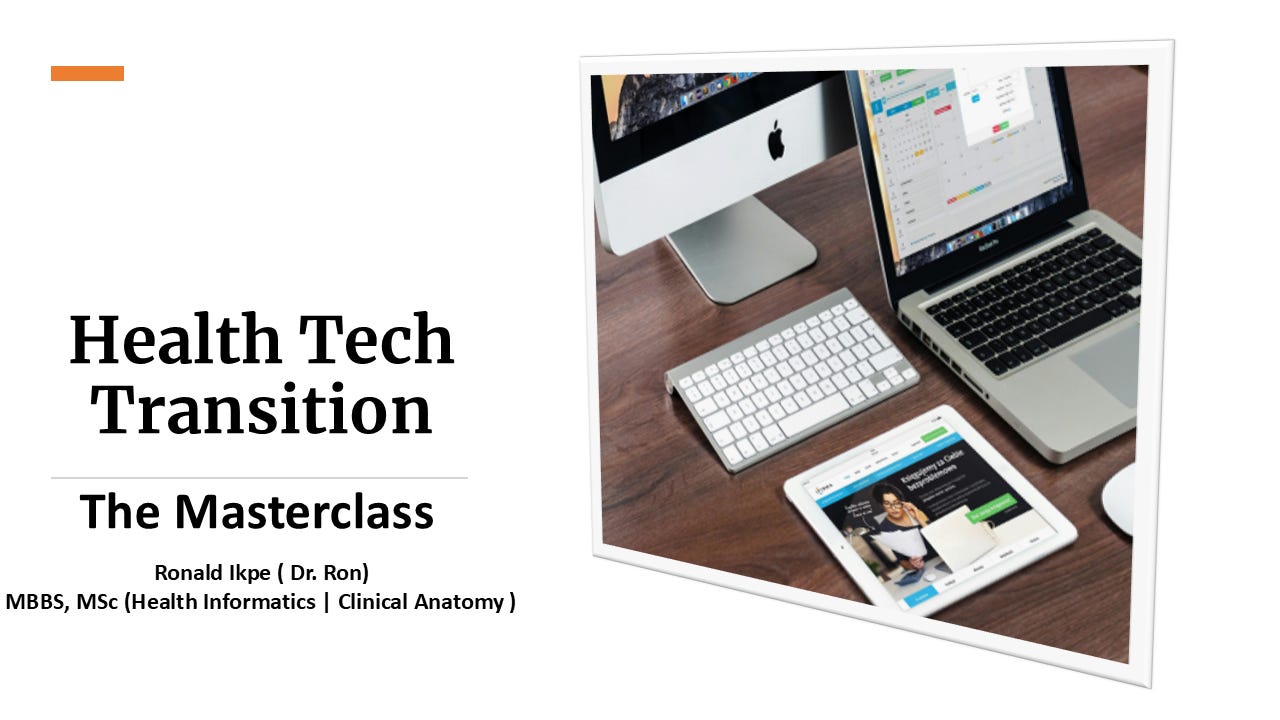
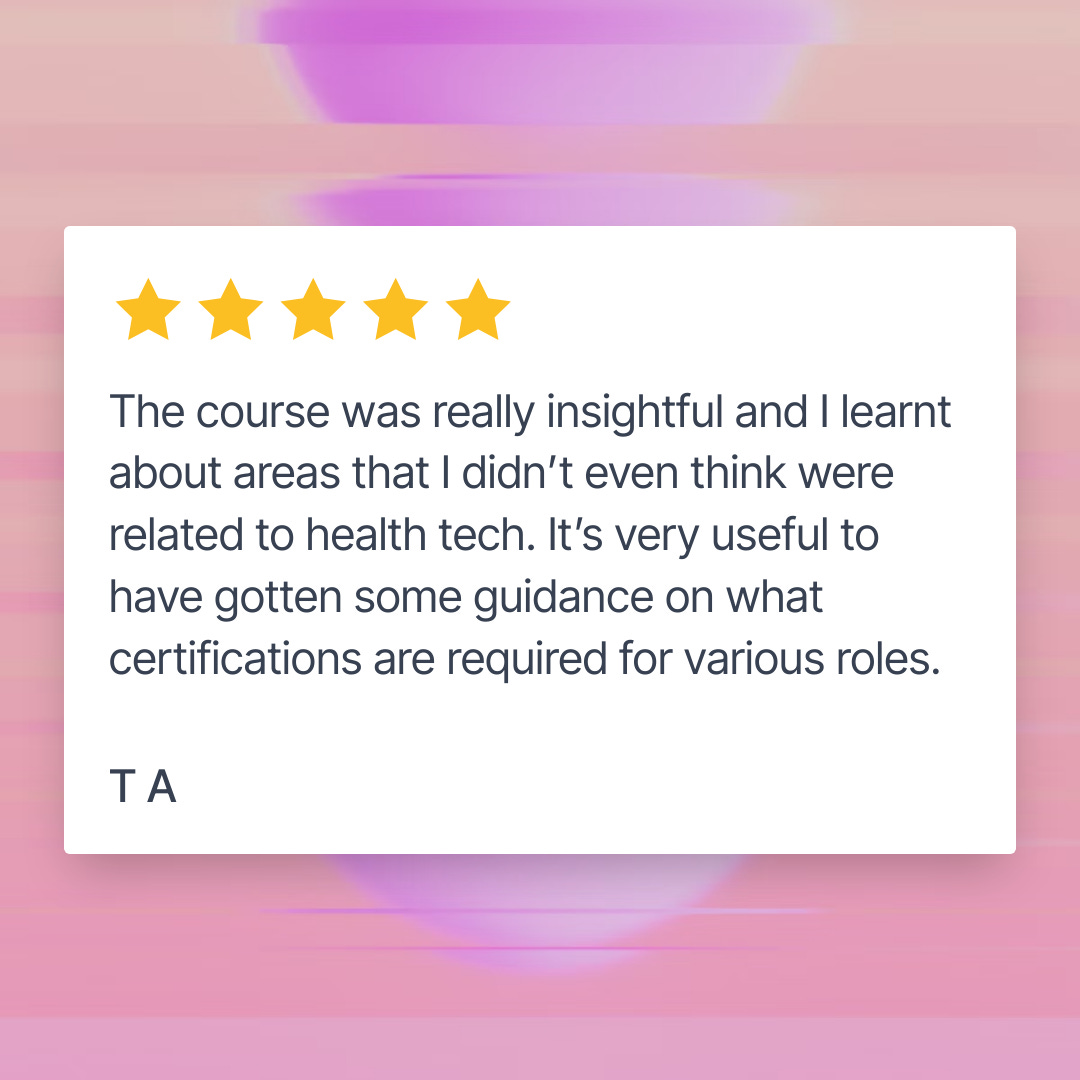
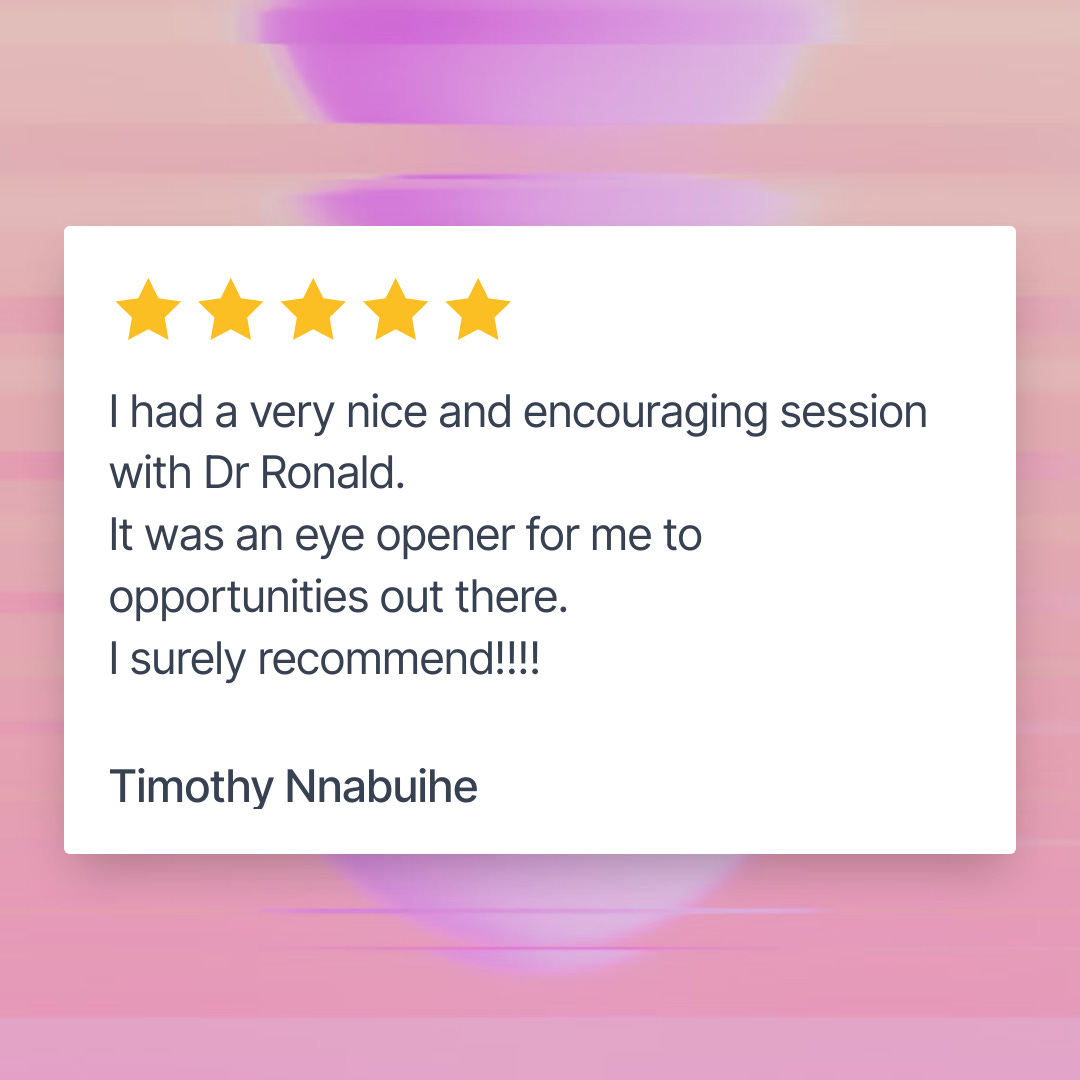
As part of our plans for 2025 in supporting more healthcare professionals gain more knowledge about the vast opportunities in the Digital Health space, we commenced a monthly class series to explore the roles, and pathways into health tech. The first class for the year was held on 25/01/2025 and it was very well attended. We had 65 persons sign up, and more on the waitlist. We covered various key topics including state of Healthtech globally, explored over 16 health tech roles and many more. Here are some feedback from some attendees:
Our next class holds on 22/02/2025. If you are interested in attending, kindly sign up on the waitlist here and we will be in touch.
Health Tech Transition Guides
To support colleagues and healthcare professionals looking to transition, I have written two simple guides that will give you an end-to-end pathway to transition if you are looking to do it on your own. You can get them here.


Thank you for reading. I hope you found it useful.
Let me know what you think.
See you in the next episode.
Cheers!
Dr. Ron
Behind The Scenes in Health with Dr. Ron is managed by MRI Medic Consulting, a healthcare consulting and creative digital agency. If you would love to sponsor an admin@mrimedic.com
Do you want to book a one-on-one session with Dr. Ron to discuss your career transition and alternative pathway options, click here.
Our goal is to help healthcare brands become better with their social media presence, and we do this through training webinar sessions with clients, health content creation, and social media management. Would you like us to hold a training webinar for your staff? Please send an email to admin@mrimedic.com
Do you happen to know a friend who is all about healthcare, health tech, alternative careers, and social media as a healthcare professional? Share this newsletter by clicking the refer button below.
Join over 6000+ subscribers at Behind The Scenes in Health with Dr.Ron’s substack where we share insightful information around healthcare and health tech.
Help us grow on YouTube channel by subscribing, commenting and sharing as we post new videos every Friday by 7pm (WAT). Give us a follow on TikTok
If there are topics you would love to read about or guests you would like to see and hear on the podcast, please email me at ronald@mrimedic.com or podcast@mrimedic.com
Here is our linktree. Feel free to explore our pages.